Making of

How our anatomy references
are made

Four steps, from photo shoot to review. Neither animations nor still images are generated automatically. Each one takes many drawings and the hands of several people.

01

We start by photographing real people

In-house studio · Photo reference

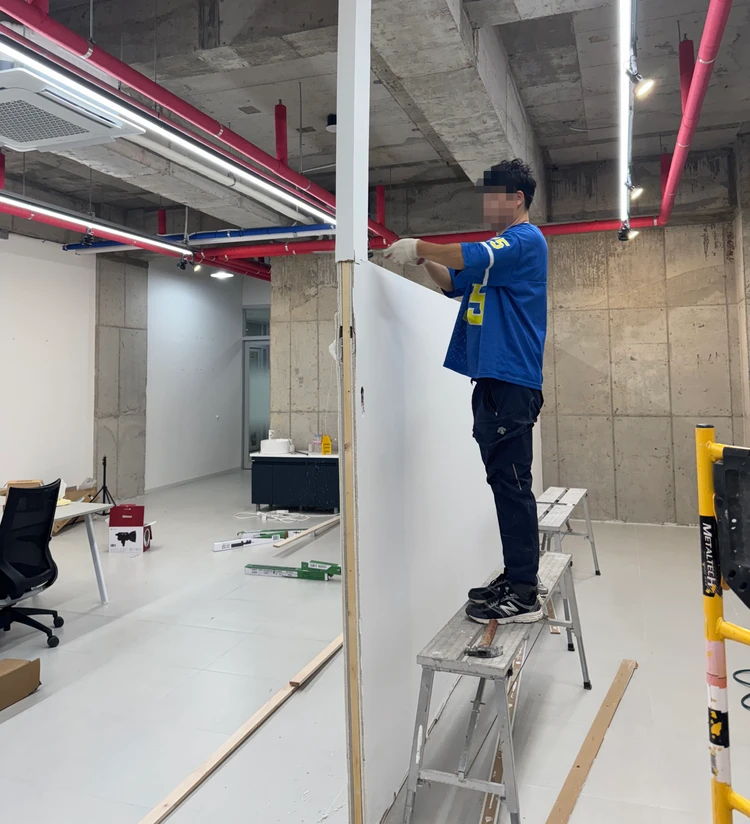
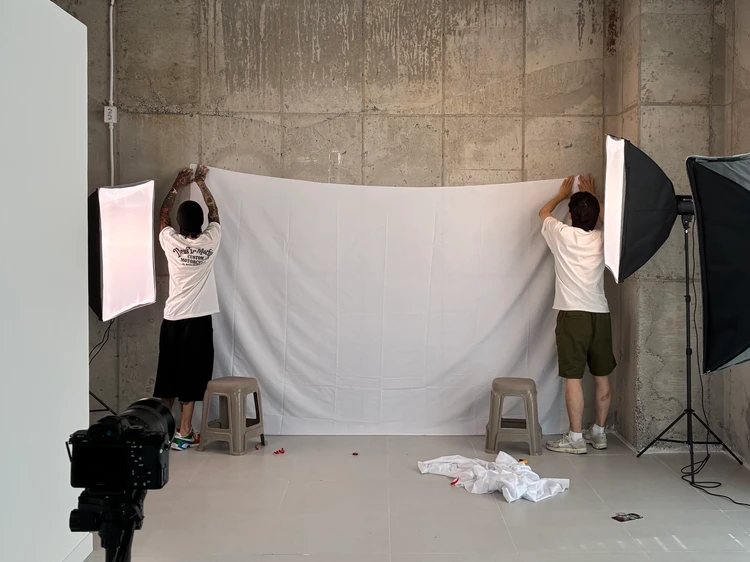
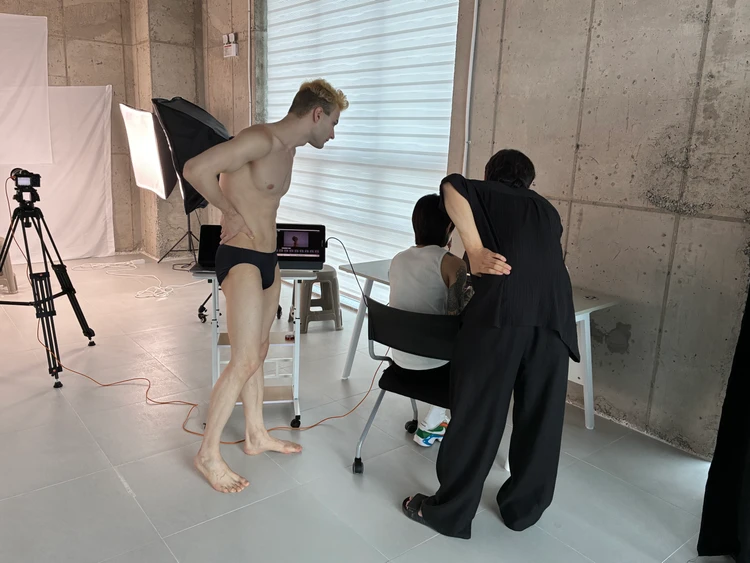
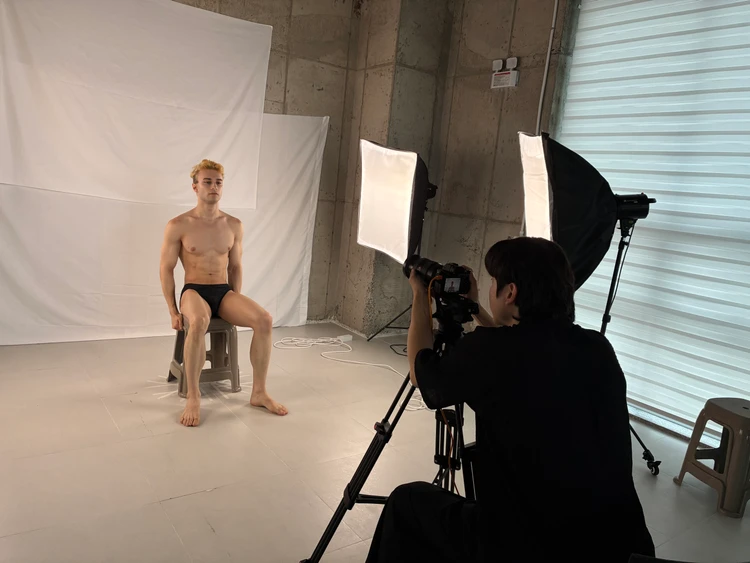
We built a workspace designed for making anatomy references. We photograph models in poses for each body region and check the surface form of the muscles on set, in real time.

These photos are the starting point for every drawing. We layer anatomical structures precisely on top of them, so you can see the real body and its anatomy at the same time.

Multiple anglesFront · Side · Seated
By regionA systematic set of poses
See the studio →
A model being photographed in our own studio
Building the studio walls Setting up backdrops and lights Reviewing shots on set
02

Professional artists draw every image by hand

The same hands for animations and still images

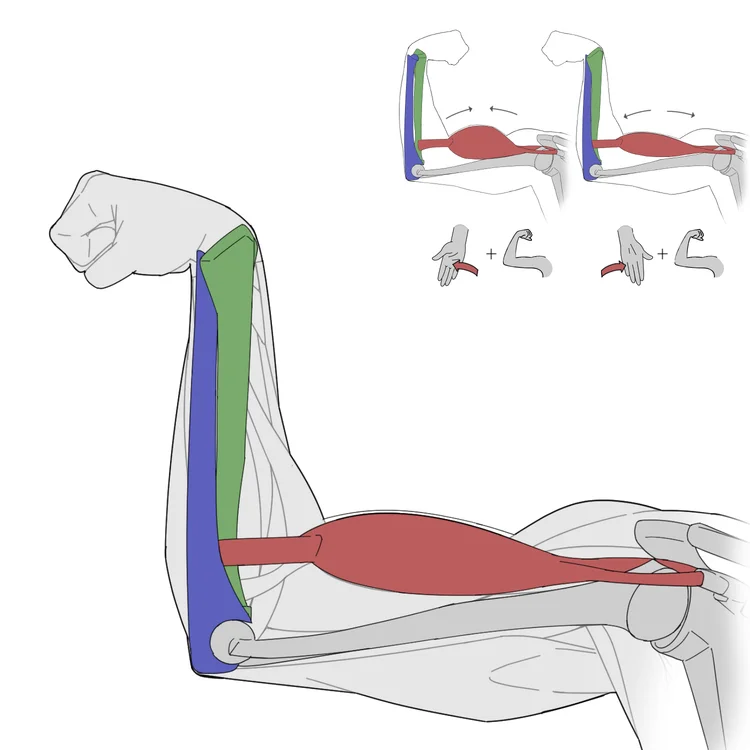
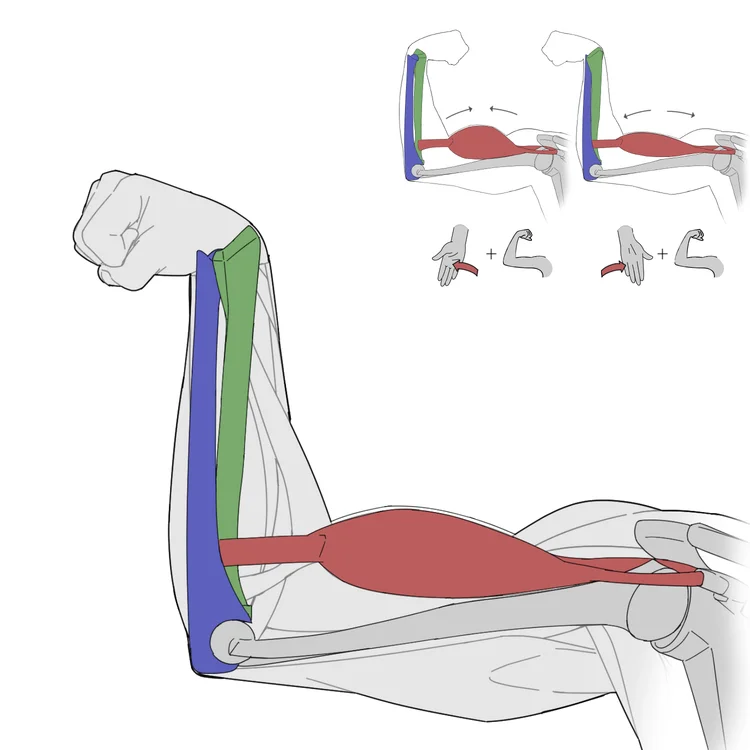
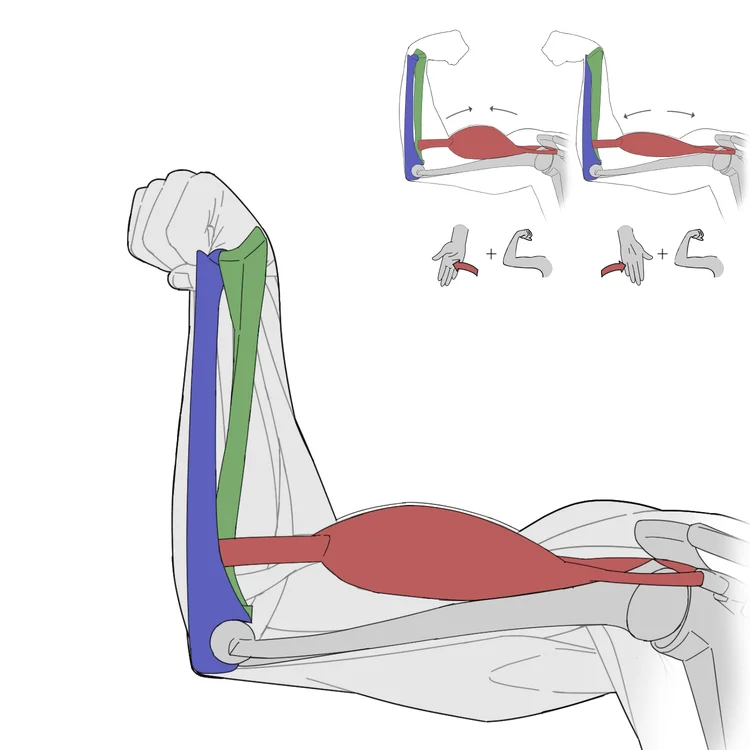
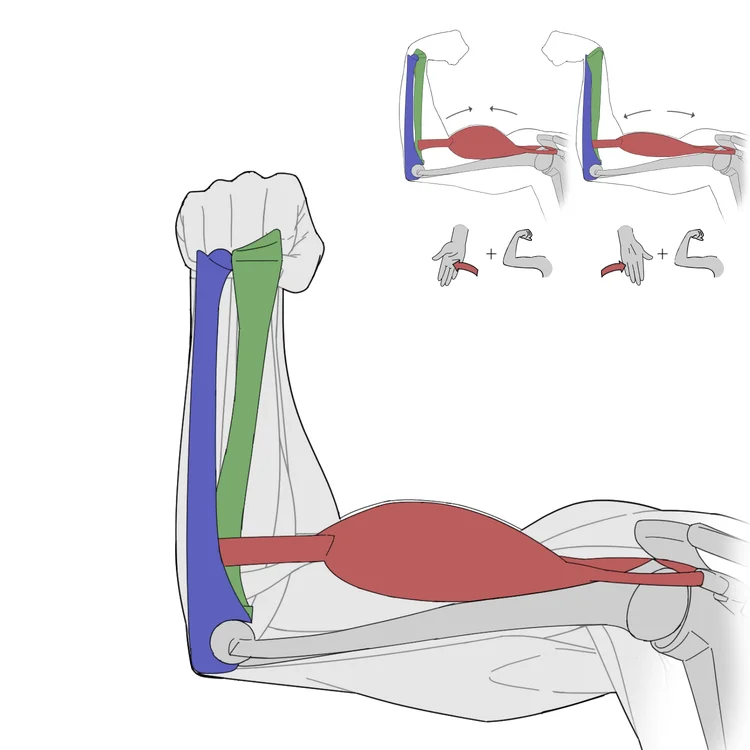
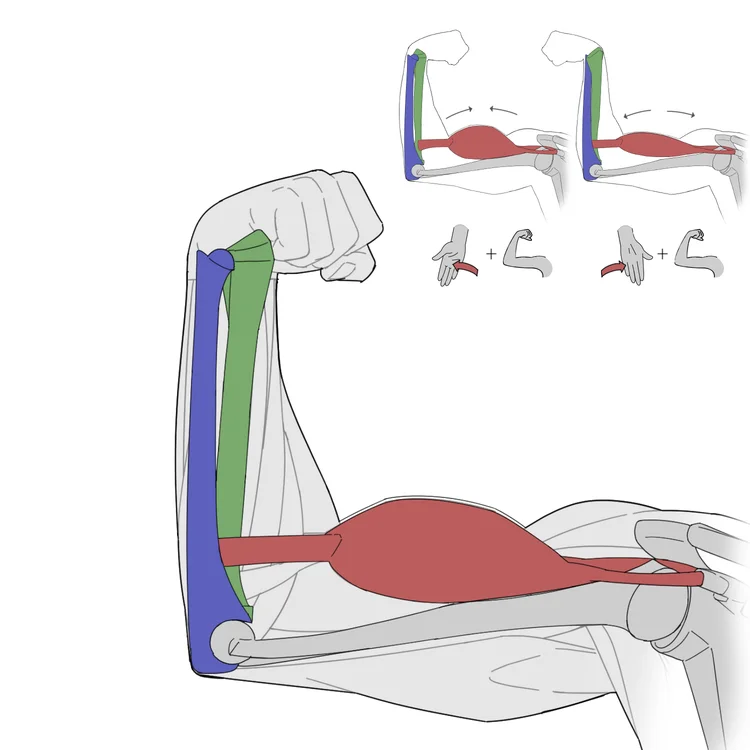
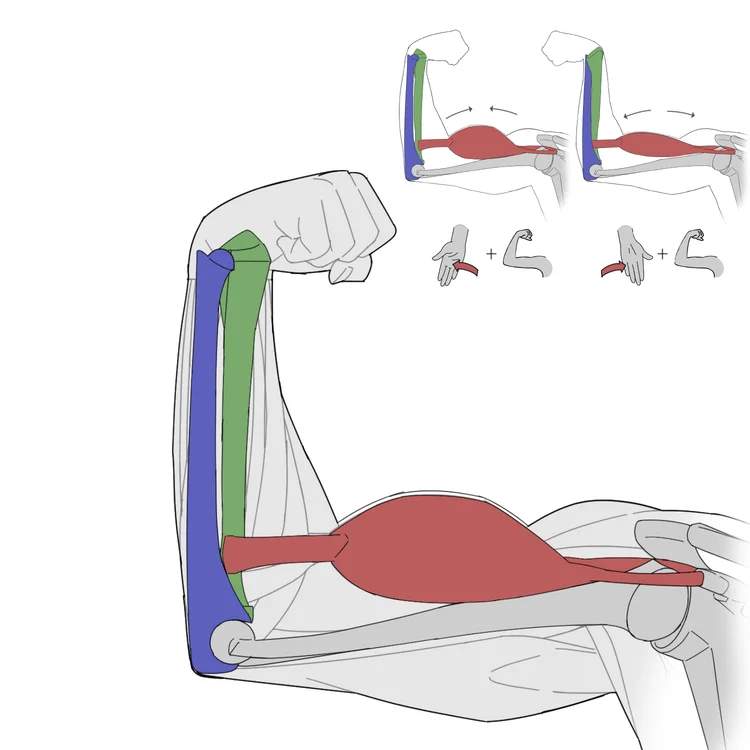
We draw the anatomical structures by hand on top of the photos. Professional artists trained in artistic anatomy each take a region of the body and repeat six steps for every image: gathering references, studying the anatomy, sketching, digital painting, separating layers, and color correction. Animations are these drawings played in sequence.

See all artists →
Frame 1Frame 2Frame 3Frame 4Frame 5Frame 6
frame 001Biceps brachii · Supinationframe 006
03

We use color sparingly

Gray base · Accent color · Secondary accent

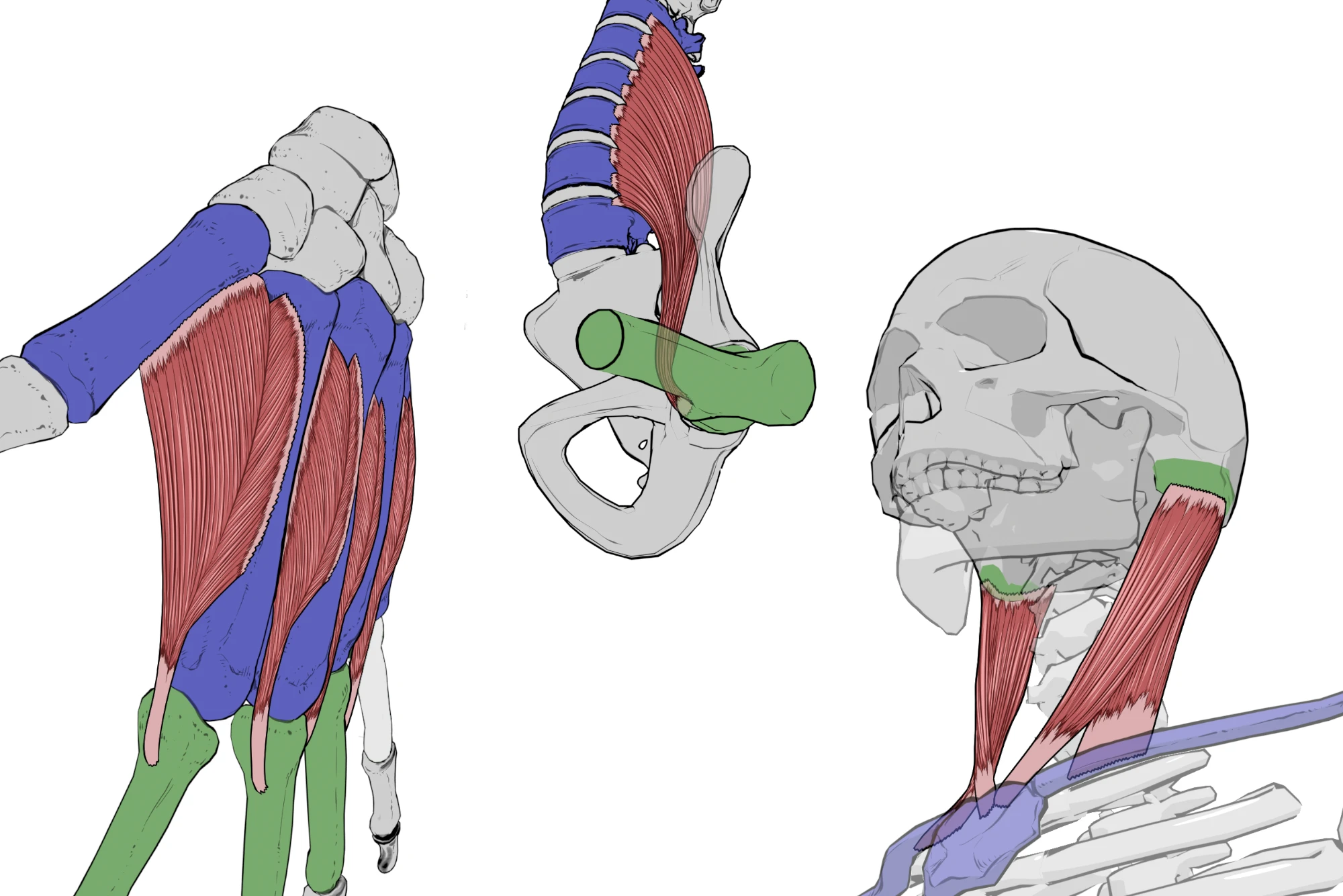
We keep everything in gray and give color only to the structure you need to see. If every muscle is painted the same way, the one that matters gets lost. On a gray base, your eye goes straight to the color.

The key muscle gets the accent color. Structures connected to it, such as its origin and insertion, get a secondary color one step quieter. Color alone tells you what to look at and what connects to it. Color is information, not decoration.

Color system →
Key muscle highlighted in detail
04

An anatomy professor reviews the work

Names · Positions · Origin/insertion · Movement

Finished drawings are reviewed by an anatomy professor. Each item is checked against real anatomy: the names and positions of muscles and bones, origin and insertion data, and the movement in animations.

Prof. Hyunjin Park
Prof. Hyunjin ParkAssistant Professor, Konkuk University School of Medicine · Gross anatomy · Forensic anthropology
30+ papers in SCI-indexed journals
About the professor →
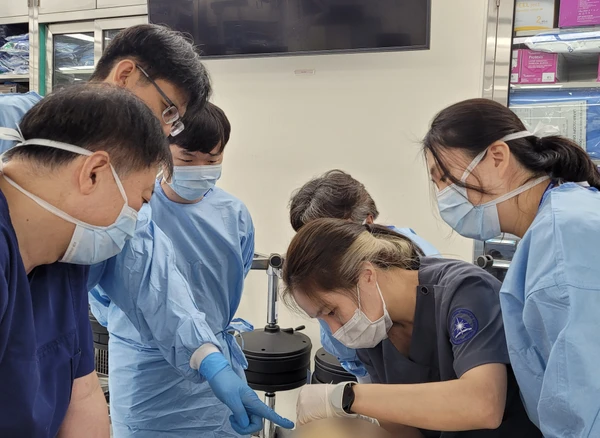
Teaching anatomy labs
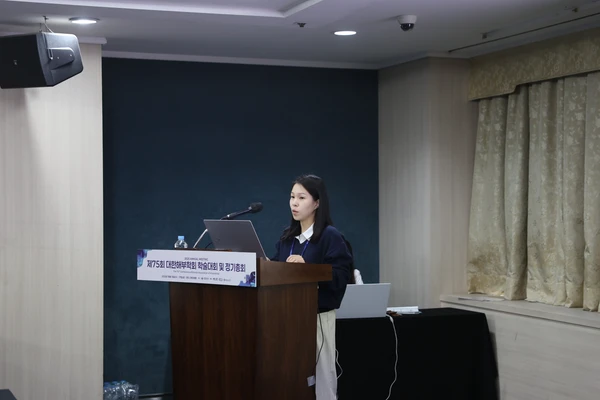
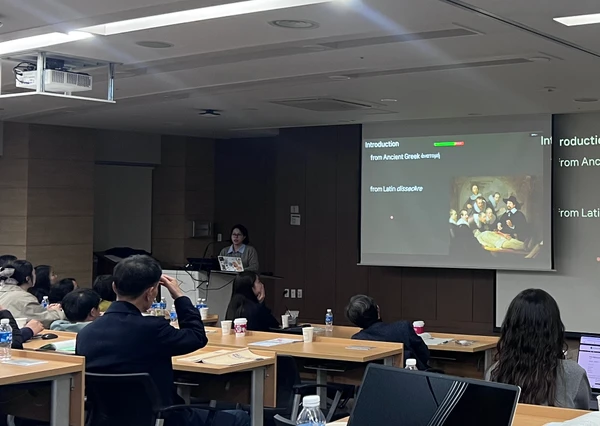
Korean Association of Anatomists conference University anatomy lectures International anatomy workshop