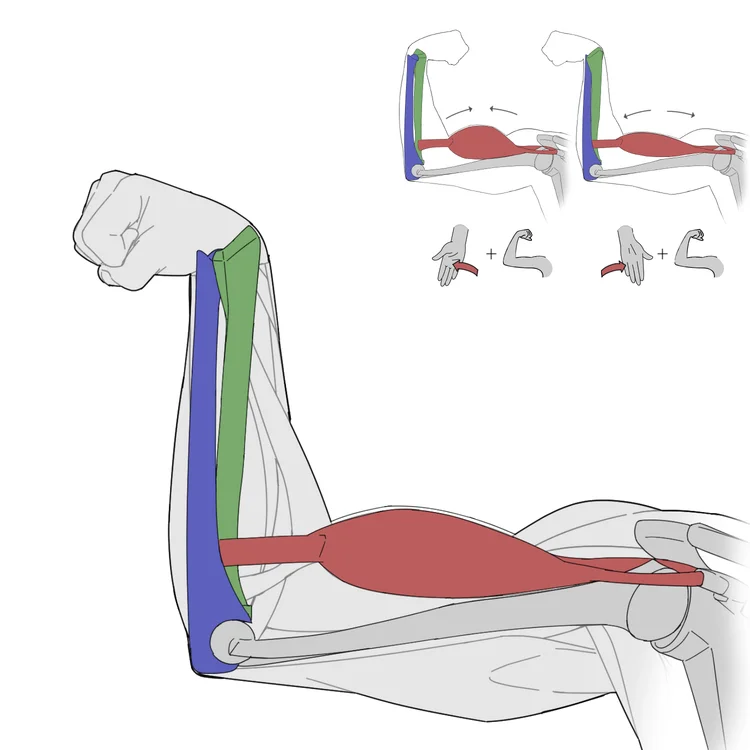
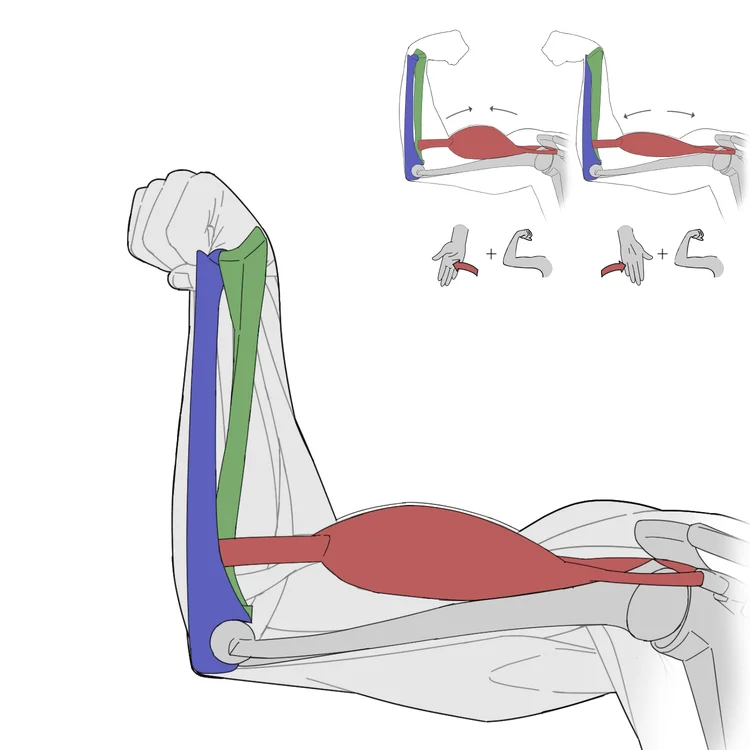
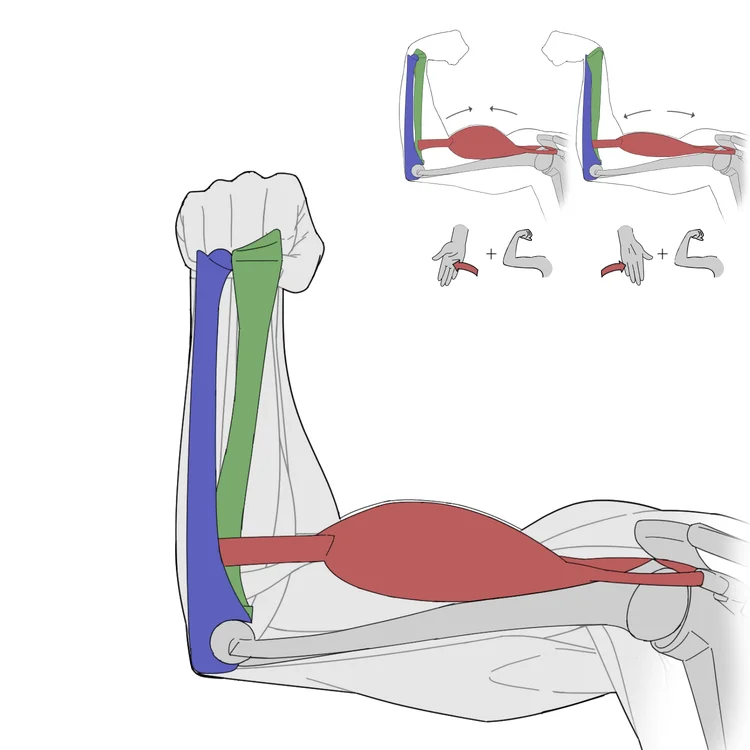
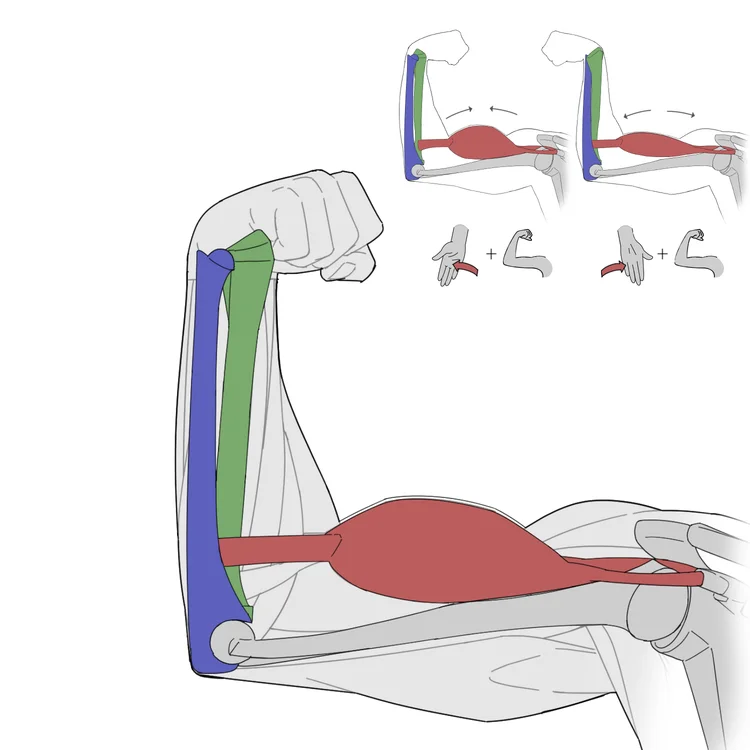
Four steps, from photo shoot to review. Neither animations nor still images are generated automatically. Each one takes many drawings and the hands of several people.
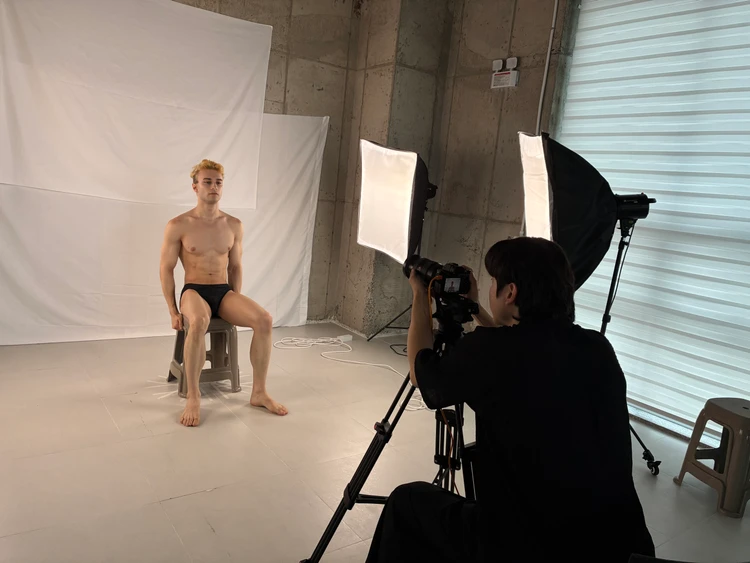
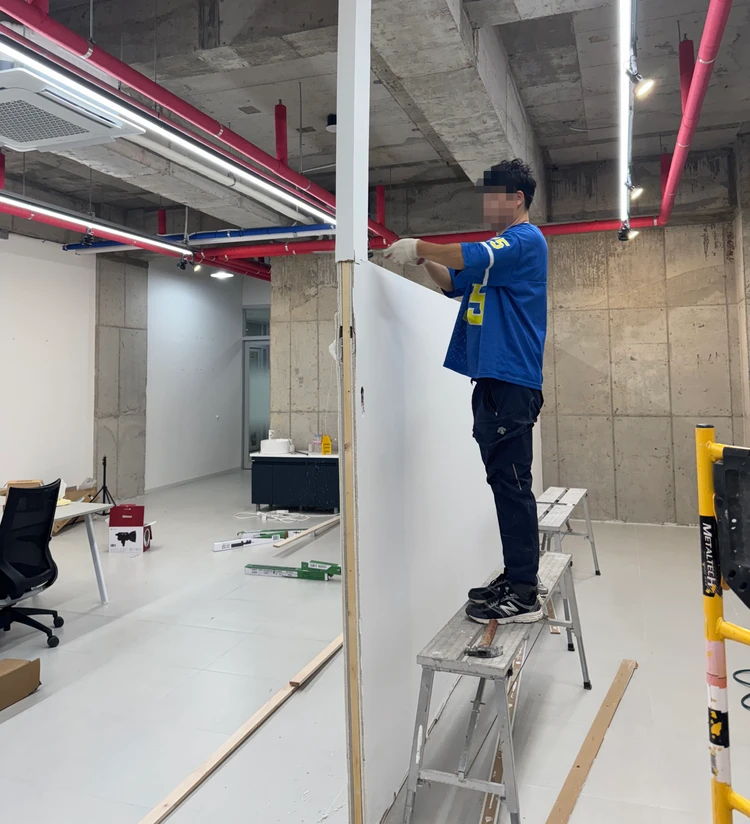
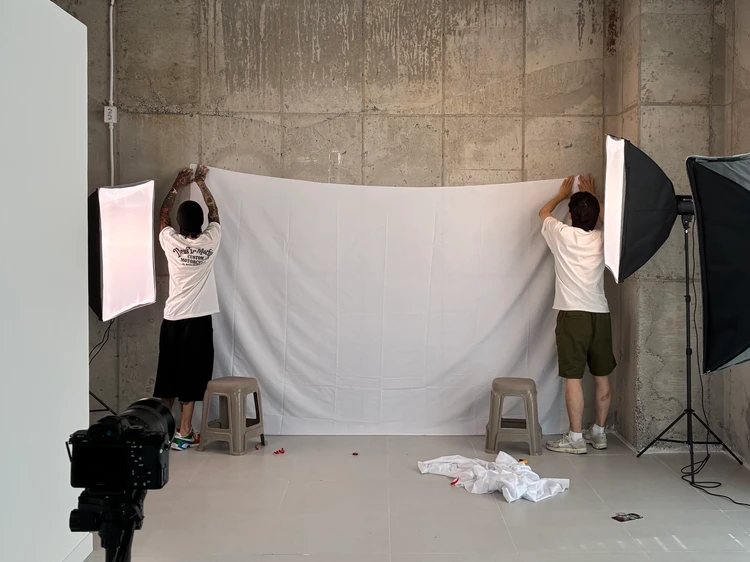
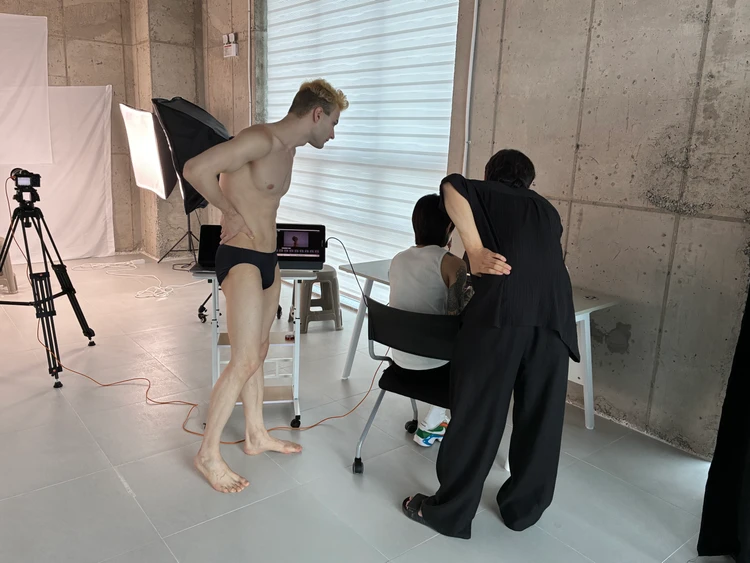
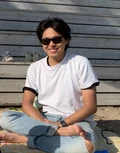
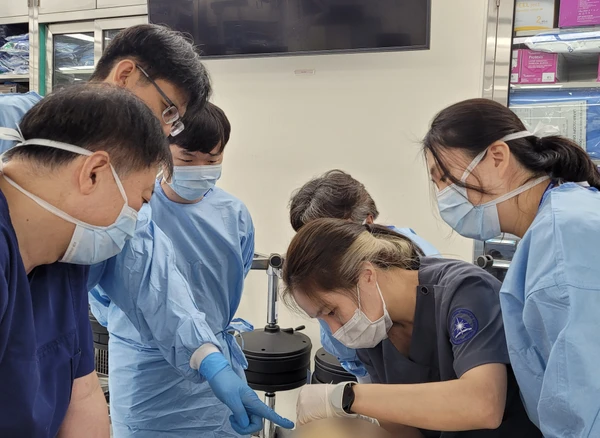
We built a workspace designed for making anatomy references. We photograph models in poses for each body region and check the surface form of the muscles on set, in real time.
These photos are the starting point for every drawing. We layer anatomical structures precisely on top of them, so you can see the real body and its anatomy at the same time.
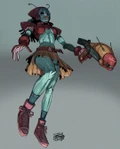
We draw the anatomical structures by hand on top of the photos. Professional artists trained in artistic anatomy each take a region of the body and repeat six steps for every image: gathering references, studying the anatomy, sketching, digital painting, separating layers, and color correction. Animations are these drawings played in sequence.
Daewoong LeeSouth Korea
Yonghee KimSouth Korea
HeullumSouth Korea
Rasoul Tasht ZarrinSpain
Ahnab AminCanada


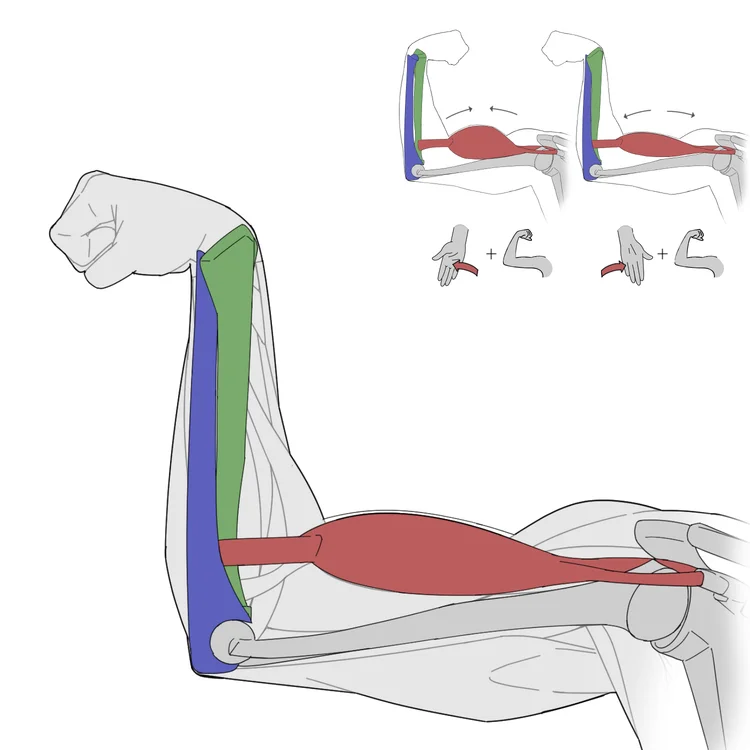
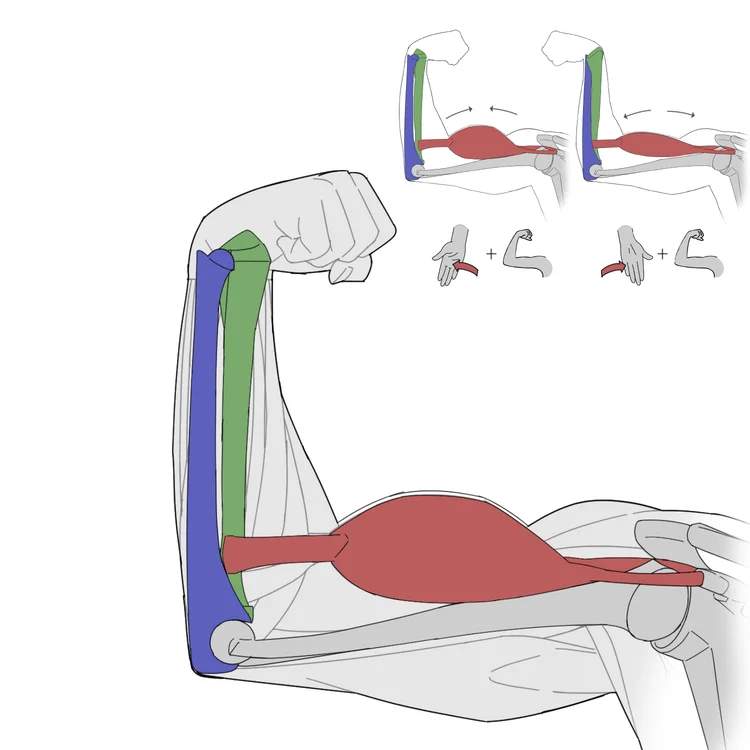
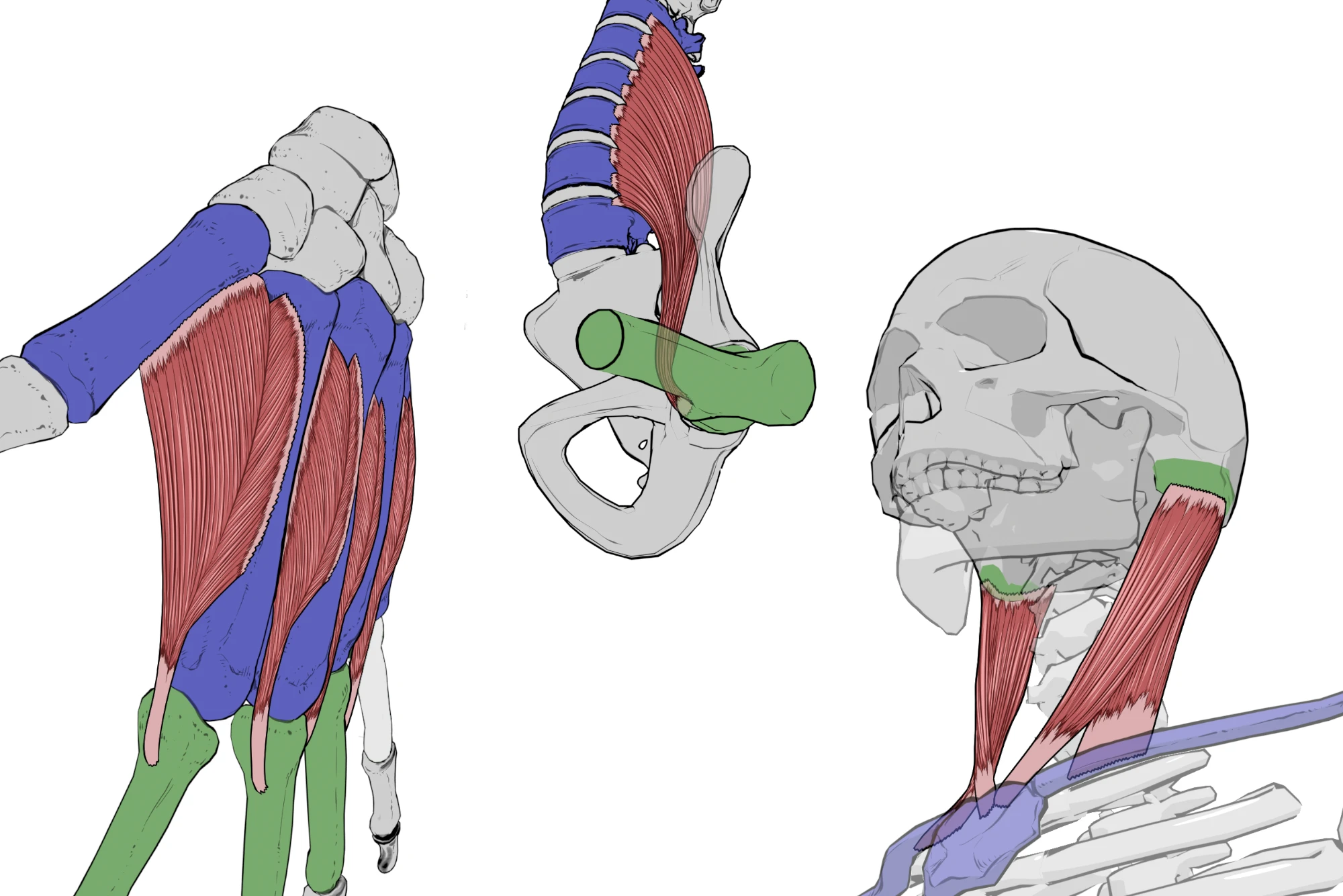
We keep everything in gray and give color only to the structure you need to see. If every muscle is painted the same way, the one that matters gets lost. On a gray base, your eye goes straight to the color.
The key muscle gets the accent color. Structures connected to it, such as its origin and insertion, get a secondary color one step quieter. Color alone tells you what to look at and what connects to it. Color is information, not decoration.
Color system →
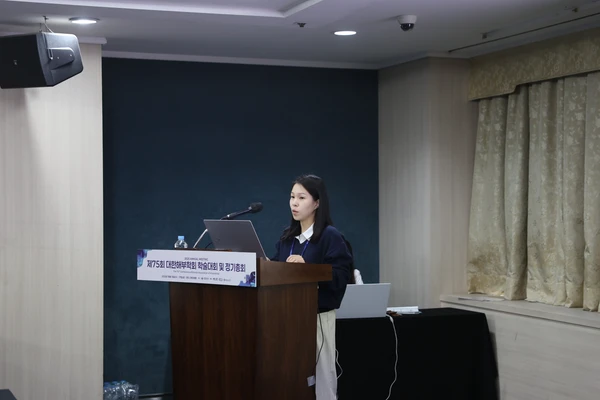
Finished drawings are reviewed by an anatomy professor. Each item is checked against real anatomy: the names and positions of muscles and bones, origin and insertion data, and the movement in animations.